















Fiber Cement Siding: Cost, Benefits, and Is It Worth It?
09/23/2026

Two siding estimates can look similar at first, yet the totals may differ by thousands of dollars. One proposal may use a lower-cost product, while another includes fiber cement siding, heavier boards, detailed trim, and more wall preparation. The difference raises a practical question: does the added price deliver enough value over time?
For homes in Downers Grove and throughout DuPage County, siding must handle moisture, temperature swings, wind, and years of sun exposure. Appearance matters, but so do repair needs, upkeep, installation quality, and how long the homeowner plans to stay. Comparing those factors gives families across the western Chicago suburbs a clearer way to decide whether the added cost makes sense.
A Premium Should Deliver More Than a Different Look
Color and texture matter, but they do not explain the full price difference. Before deciding whether fiber cement siding justifies the price, weigh durability, upkeep, design range, and installation demands. Compare today’s cost with the maintenance and repair needs that may develop later.
What Drives the Price of Fiber Cement Siding?
Project cost depends on more than exterior square footage. Removing old siding, repairing damaged sheathing, and preparing uneven walls can add work before installation begins. Upper stories, steep rooflines, dormers, and tight areas around additions may also require more setup, equipment, and labor.
Trim, soffits, corners, window openings, and decorative details increase the amount of measuring, cutting, and finish work. Product choice also affects the total because lap boards, panels, shakes, and textured profiles vary in price and installation demands. A complete fiber cement siding estimate should include preparation, accessories, installation, cleanup, finish selections, and any repairs discovered behind the existing exterior.
Moisture, Fire, and Design Benefits Shape the Value
Much of the material’s value comes from its resistance to rot, pests, and repeated moisture exposure. Fiber cement siding is also noncombustible, which adds reassurance near exterior heat or direct flame. Paint and surface finishes may still char or sustain damage.
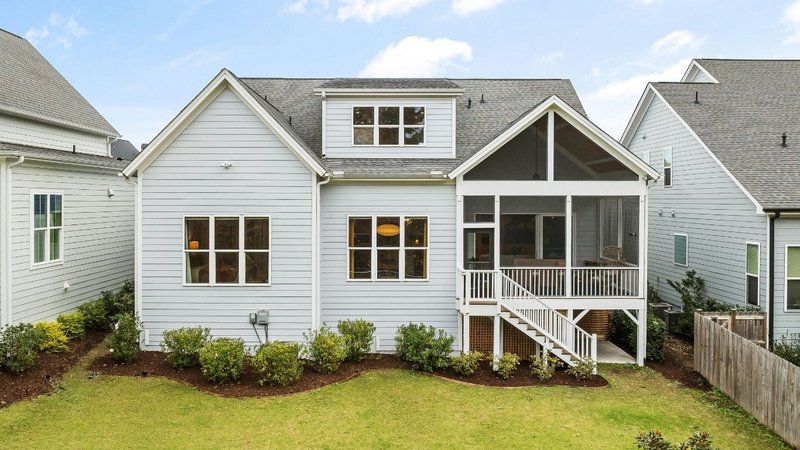
Homeowners can choose smooth boards, wood-grain textures, shingle profiles, and many colors. These options suit Traditional, Craftsman, Colonial, and modern homes. They also create a wood-inspired look without real wood’s heavier upkeep.
Installation Quality Protects the Investment
Fiber cement boards need a flat, sound surface before installation. Crews should repair damaged sheathing, address moisture problems, and level uneven walls before placing the new boards.
Flashing around windows, doors, roof intersections, and other openings directs water away from vulnerable areas. Correct clearances, fastener placement, joint treatment, and caulking help prevent cracks and water intrusion during seasonal movement.
The boards are heavier and harder to cut than many vinyl products, so careful handling affects the finished result. Poor work can shorten the life of fiber cement siding even when the product itself is high quality.
Fiber Cement Siding Compared With Vinyl and Composite
Vinyl generally costs less upfront and installs faster because its panels are lighter. It also needs little surface care, while fiber cement siding offers a thicker profile and more wood-like detail. Climate, budget, and the home’s architecture should guide the comparison.
Composite siding can provide detailed textures, factory-applied color, and strong resistance to moisture or impact, depending on the product. Fiber cement may require repainting over time, while composite finishes often arrive ready for long-term color retention. Neither option is automatically better, so homeowners should compare installation cost, upkeep, appearance, and expected ownership length before deciding.
Long-Term Ownership Changes the Cost Equation
The added expense may make more sense for someone who expects to stay in the home for many years. More time in the property allows the owner to benefit from resistance to rot, pests, and recurring repair concerns. Fiber cement siding may therefore deliver value beyond its initial installation price.
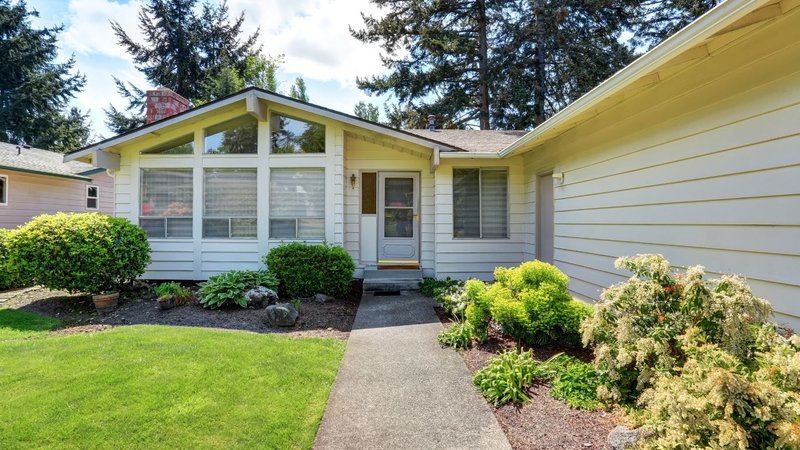
Repainting, caulk checks, and minor repairs should remain part of the future budget. Warranty terms and installer workmanship coverage also affect which problems may become the homeowner’s responsibility. Resale appeal can strengthen the financial case, but it should remain one factor rather than a promised return.
Is Fiber Cement Siding Worth It for Illinois Homes?
For many Illinois homes, fiber cement siding may justify the premium when durability, moisture resistance, and a substantial exterior profile matter more than the lowest upfront price. Vinyl or composite may suit a tighter budget, a shorter stay, or a different maintenance preference. The decision should reflect the house and the owner’s priorities rather than a universal ranking.
Local weather, wall condition, and architectural style can change which siding option makes sense for the project. Rusco Exteriors brings experience with fiber cement, vinyl, and composite siding to homes across Downers Grove, DuPage County, and the western Chicago suburbs. Discuss your siding priorities with the team before selecting a material.