


















How to Prevent Window Condensation in Winter
01/09/2025
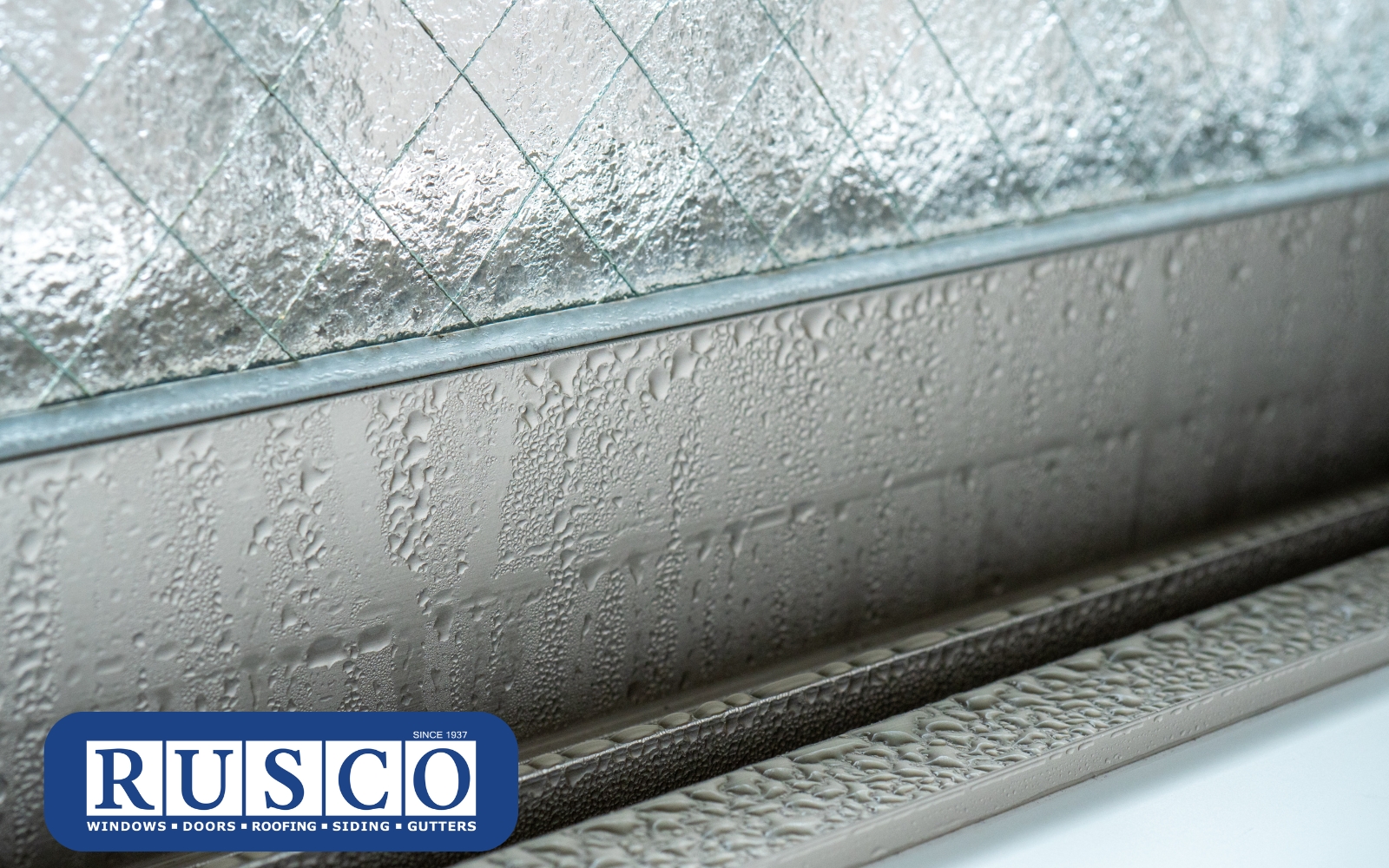
You wake up on a chilly winter morning, pull back the curtains, and there it is—water droplets clinging to the inside of your windows. Window condensation isn’t just an eyesore, either. over time, it can lead to mold, mildew, and even damage to your home.
Don’t worry, this common issue is preventable with a few practical steps. Here’s how to keep your windows clear and your home cozy.
What Causes Window Condensation?
Condensation happens when warm, moist air inside your home meets the cold surface of your windows. The temperature difference causes the moisture in the air to condense into liquid on the glass. If you live in a colder climate or your home has older windows, you’ll experience this more than others.
While a little condensation may seem harmless, it’s a sign that your indoor humidity levels are too high. That can lead to bigger problems down the road. So, what can you do about it?
Reduce Indoor Humidity
First, try to manage humidity levels in your home:
- Use a dehumidifier: This is especially helpful in rooms where moisture tends to build up, like kitchens, bathrooms, and basements.
- Run exhaust fans: Use fans in bathrooms and kitchens to vent air outside.
- Limit activities that create moisture: Simple habits like covering pots while cooking and air-drying fewer clothes indoors can make a big difference.
Improve Air Circulation
Stagnant air traps moisture. By keeping air moving, you can prevent condensation from forming.
- Open curtains and blinds: This lets warm air circulate around the window.
- Use ceiling fans: Run them on a low setting to keep air flowing even during the winter.
- Rearrange furniture: Keep large pieces like couches or beds away from windows for better airflow.
Upgrade Your Windows
Older, single-pane windows are more likely to develop condensation than modern, energy-efficient ones. If you’re ready to upgrade, look for:
- Double- or triple-pane windows
- Low-E glass
- Properly sealed frames
If replacement isn’t an option right now, consider adding storm windows or using plastic insulation film for an extra layer of protection.
Preventing Condensation Matters
Condensation might seem like a small problem, but it can damage your windows, walls, and furniture. More importantly, it’s a signal that your home isn’t sealed very well and that your windows probably need to be replaced.
By reducing moisture, improving air circulation, and investing in better windows, you can keep your home comfortable, dry, and healthy all winter long.