



















How to Recognize Hail Damage and Other Weather-Related Roof Damage
08/07/2025
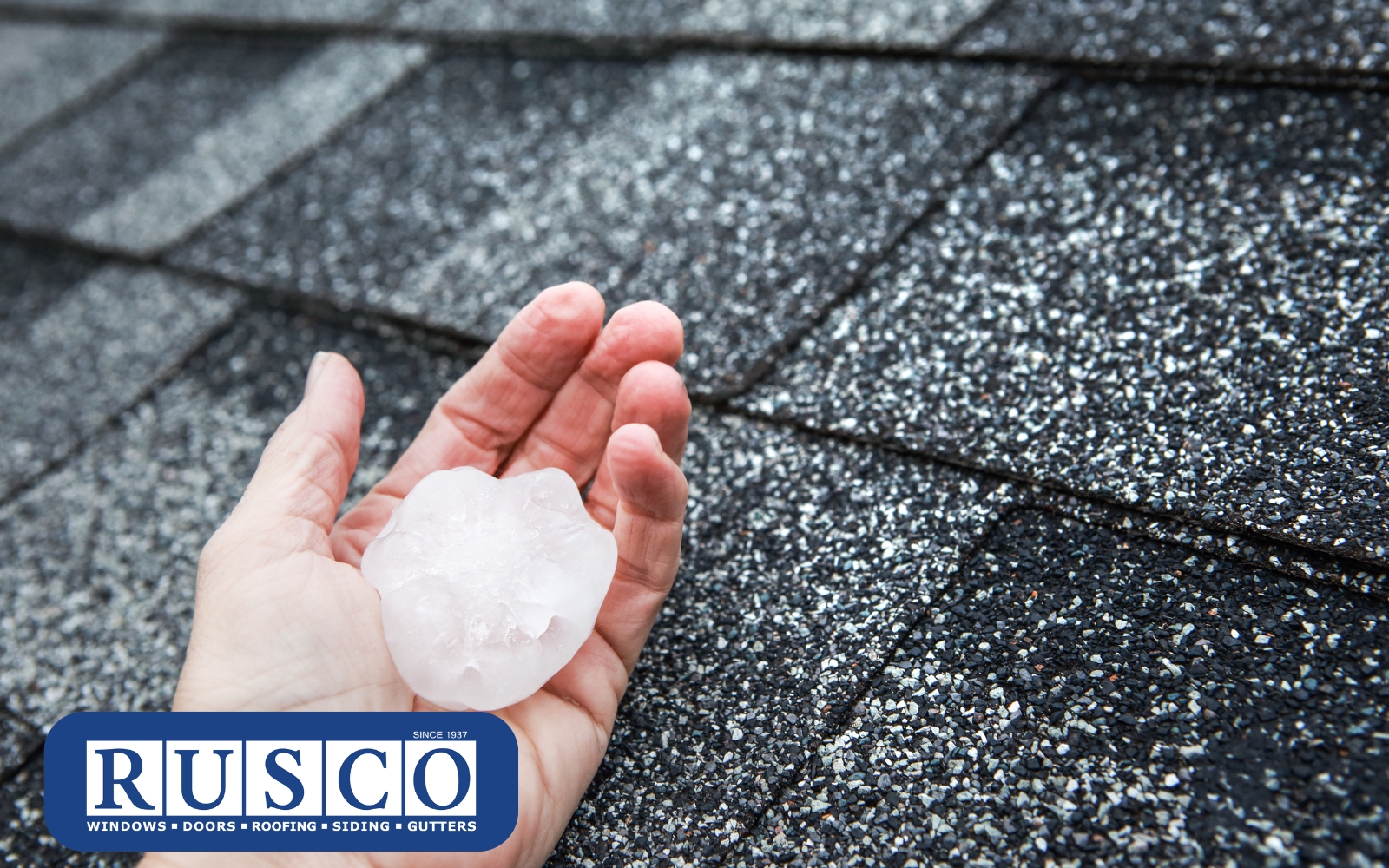
Summer storms can arrive quickly and leave a lot of damage behind. Your roof is one of the most exposed and vulnerable parts of your home, taking the brunt of hail, high winds, heavy rain, and flying debris. While some damage is easy to spot, other signs can be subtle but still serious if left unchecked.
Knowing what to look for after a storm can help you catch issues early, file insurance claims on time, and prevent small problems from turning into major repairs. Here’s how to recognize hail and other weather-related roof damage.
Signs of Hail Damage on Your Roof
Hail can vary in size—from small pellets to golf-ball-sized ice—and even smaller stones can cause serious harm to roofing materials over time. Here’s what to watch for:
- Dented or bruised shingles: Look for dark spots or areas where granules have been knocked loose.
- Soft spots or dimples: These can feel spongey to the touch and may indicate underlying damage.
- Cracked or split shingles: Hail impact can cause shingles to fracture, especially if they’re older or brittle.
- Shingle granules in gutters: A buildup of roofing granules in your gutters or downspouts often signals that shingles were impacted and are losing their protective layer.
Wind and Storm Damage Clues
Even without hail, strong wind and rain can take a toll. After a storm, inspect your roof—or have a professional do it—for:
- Missing or lifted shingles
- Exposed underlayment or nails
- Torn flashing or damaged seals around vents and chimneys
- Debris buildup in valleys or against gutters
High winds can also cause hidden damage by loosening shingles or shifting flashing, which may not cause leaks immediately but will over time.
What to Check Inside the Home
Don’t forget to check indoors, especially in the attic. Look for:
- Water stains or damp insulation
- Drips or leaks around light fixtures or ceilings
- Musty odors that suggest hidden moisture
These are signs that your roof may already be letting water in—and the sooner you act, the better.
When to Call a Professional
If you suspect damage, it’s always smart to schedule a roof inspection. Even if your roof looks okay from the ground, a trained eye can spot what you might miss. Early detection helps prevent further deterioration and can strengthen your case if you need to file an insurance claim.