



















Sliding Patio Doors 101: What to Know Before Rusco Exteriors Installs Yours
11/12/2026
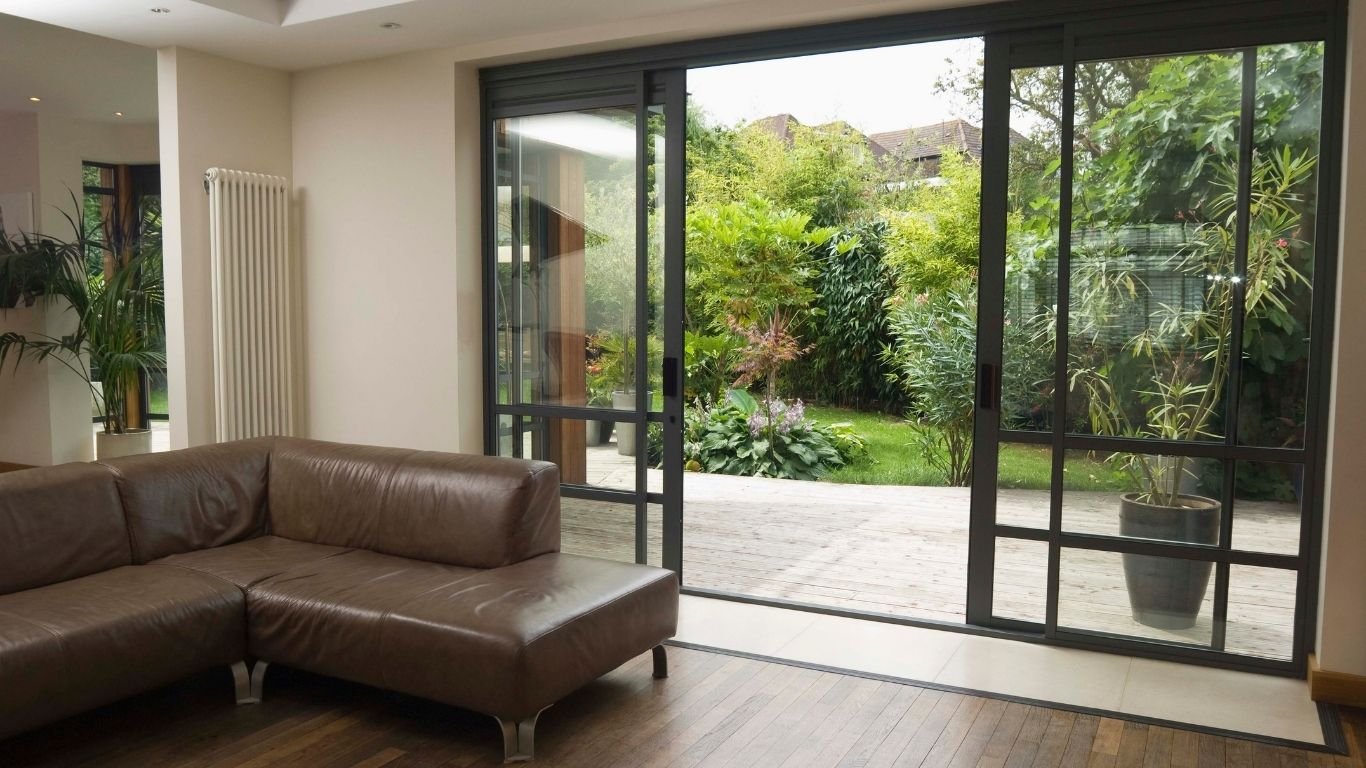
Many homeowners find that sliding patio doors involve more choices than their simple design suggests. Before installation, think about traffic flow, furniture, security, glass, and the size of the opening. Each decision affects daily use, so planning ahead can prevent hassles once you start using the new door.
Your household routine should guide choices about panel movement, screen access, thresholds, and hardware placement. Existing trim, flooring, siding, and wall conditions can also affect how crews prepare the doorway. Knowing those details early helps you choose the door and know what installation day may bring.
What Should You Know Before Installing Sliding Patio Doors?
Before installing sliding patio doors, review glass, security, opening conditions, and how your household uses the space. Measurements and nearby materials help show whether the project needs simple replacement work or extra preparation. Clear choices before installation make it easier to match the new door with your space and routine.
How You Plan to Use the Door Changes the Starting Point
Your daily routine should shape how sliding patio doors open, close, and connect adjoining living areas. Think about which side needs to operate, where furniture sits, and how often people move outside. Homes with pets, children, or frequent guests may need easier access and fewer obstacles around the doorway.
A door that opens toward your main traffic path can reduce awkward movement around nearby furniture. Screen placement also matters when you expect regular backyard use during warmer months in DuPage County. Rusco Exteriors can use those daily habits to match the door setup with your space.
Sliding Patio Doors Come With More Choices Than Panel Style
Sliding patio doors differ in glass, hardware, screens, frame finishes, and which panel moves during use. Your options shape light, privacy, upkeep, appearance, and how comfortably the doorway works each day.

Glass choices can affect indoor comfort, glare, and privacy, while hardware changes locking and everyday handling. Screen and panel configuration matter most when the doorway serves as a frequent path to the patio.
Your Existing Opening Can Shape the Installation
Your current doorway gives crews key details about its size, trim, floor height, and nearby siding. Rusco Exteriors can use those details to see what preparation the opening needs for sliding patio doors.
Flooring height can affect threshold placement and how comfortably people move through the finished doorway. Exterior siding and trim may also need careful work around the new frame during installation.
Older doorways may hide damage or uneven spots until crews take out the old patio door. Correcting those conditions protects the surrounding area and helps the new door open, close, and lock properly.
What Sliding Patio Doors Need for Security and Daily Operation
Sliding patio doors should move smoothly and include hardware that makes locking simple and secure. Lock strength, panel fit, track condition, and handle placement all affect how easily you use the door. Screens also matter when frequent patio use makes fresh air and bug control part of daily life.
Proper installation helps the panels move evenly and lets the lock engage the way it should. You should also consider how children, pets, and frequent guests interact with the doorway during normal routines. Simple locks and easy features can improve security without making daily access hard for your family.
Prepare the Area Before Installation Day
Clear the work zone before installation so crews have room on both sides of the doorway. Sliding patio doors need enough workspace so installers can move each part without crowding nearby furniture.
- Move furniture, rugs, window treatments, and decorations far enough from the doorway for clear indoor access.
- Shift patio furniture, planters, and grills so installers have a clear path outside the opening.
- Keep children and pets away from the work zone while crews remove and position door components.
Expect the opening to remain exposed briefly while crews remove the old door and set the replacement. Rusco Exteriors can explain any extra prep so your household knows what to expect that day.
What to Check After Sliding Patio Doors Are Installed
Installation day also calls for a few basic checks once your sliding patio doors are in place. Test the lock, handle, and screen while watching for rubbing, resistance, or parts that feel loose. Look around the threshold and trim so you understand how the finished opening meets nearby surfaces.

Ask operation or care questions while the new door's features are still fresh in your mind. Simple checks help you understand the finished work and spot concerns before they become everyday frustrations. A final review also gives you better questions to ask before installation begins.
Make Sliding Patio Doors Part of a Well-Planned Project
Knowing the basics about sliding patio doors makes your project easier to follow from start to finish. Daily access, security, glass, and door fit all shape what you notice after the work. Clear expectations help you ask useful questions while comparing options and preparing your home.
Before installation begins, Rusco Exteriors can help you sort through the choices that matter for your doorway. The team can check the doorway, explain your options, and note any prep your project may need. Plan your sliding patio door installation with the team before you finalize the details for your home.