




















The Role of Roofing in Whole-Home Energy Efficiency
08/28/2025
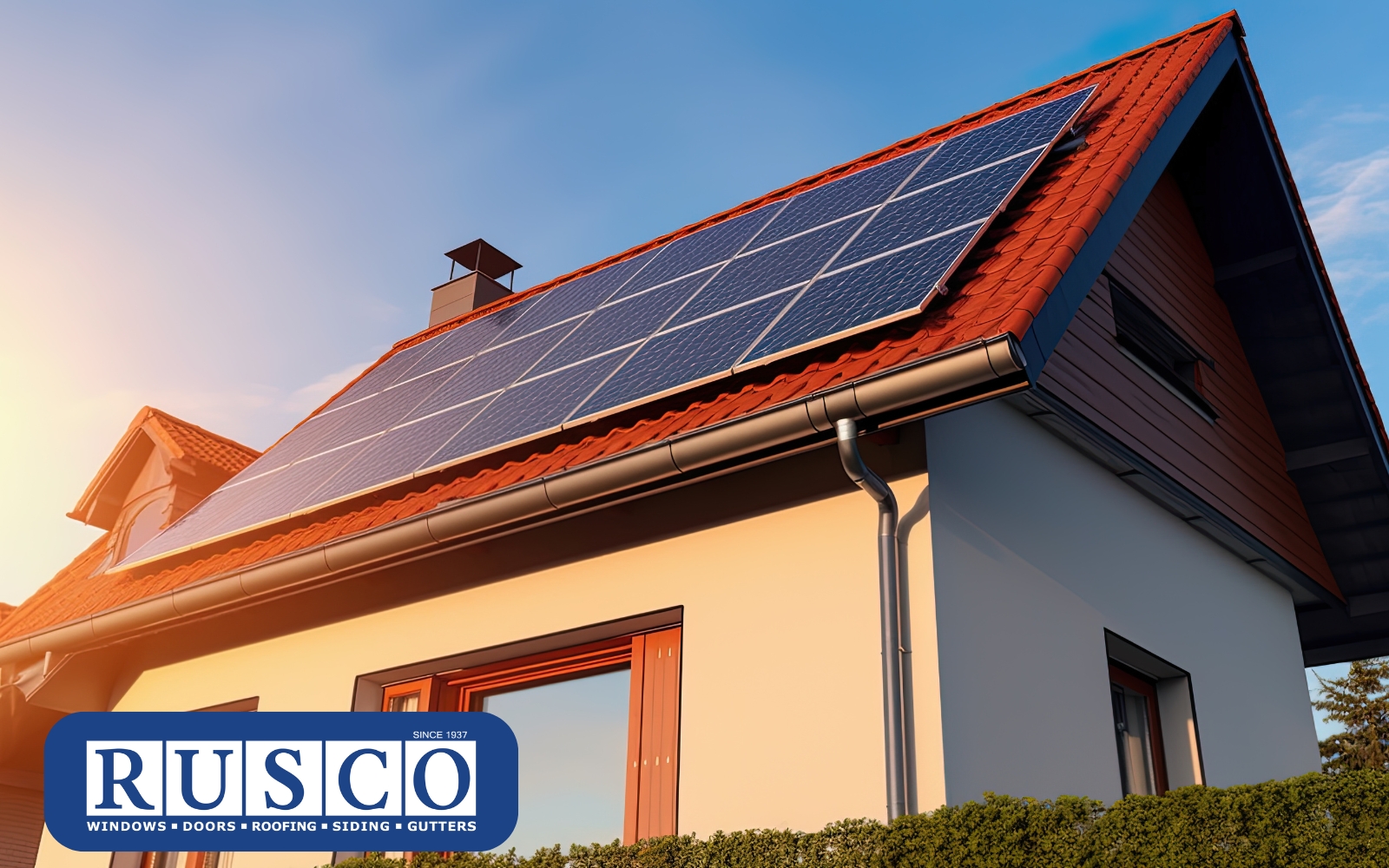
When people think about improving energy efficiency, they often focus on windows, doors, or insulation. But your roof plays a much larger role than you might expect. As the first line of defense against sun, wind, rain, and snow, your roofing system directly affects your home’s temperature regulation, HVAC performance, and overall energy use, especially during seasonal extremes.
If your roof is outdated, damaged, or poorly insulated, it could be quietly driving up your energy bills and reducing your home’s overall comfort. Here’s how roofing contributes to whole-home energy efficiency—and what you can do to maximize its performance over time.
Reflecting vs. Absorbing Heat
One of the most important ways your roof impacts energy efficiency is through solar reflectance. Dark or low-reflectivity roofing materials absorb more heat, raising attic temperatures and forcing your air conditioner to work harder. Over time, this leads to higher cooling costs and less comfort inside your home, especially during hot summer months.
Modern roofing products, especially cool roof systems or reflective shingles, are designed to reflect sunlight and reduce heat absorption. In warmer climates or sun-exposed homes, choosing a high-reflectivity roof can significantly cut your energy usage and reduce strain on your HVAC system.
Insulation and Ventilation Matter
Your roofing system isn’t just about shingles. It also includes underlayment, insulation, and ventilation. Without proper attic insulation, conditioned air escapes and outside air seeps in, making your HVAC system less efficient. And without proper ventilation, hot air becomes trapped in the attic, increasing your cooling load and potentially damaging roofing materials over time.
A balanced, efficient roofing system includes:
- Adequate attic insulation (R-values appropriate for your region)
- Intake and exhaust vents for healthy airflow
- Proper sealing to prevent air leakage and moisture buildup
Roofing Material Choices
Different materials offer varying levels of efficiency:
- Metal roofing reflects more sunlight and cools quickly at night.
- Asphalt shingles with reflective coatings are a budget-friendly energy upgrade.
- Tile and slate offer excellent thermal resistance and long-term durability.
- Green roofing (living roofs) provide insulation and absorb heat, while also reducing stormwater runoff.
When replacing your roof, selecting energy-efficient materials and colors tailored to your climate can deliver lasting performance and long-term savings.
Don’t Overlook the Roof
Energy efficiency starts from the top down. If you’re making upgrades to lower utility costs, reduce your environmental impact, or simply increase comfort, your roof deserves serious attention. A well-installed, energy-conscious roofing system protects your home, extends HVAC life, and can even increase property value.